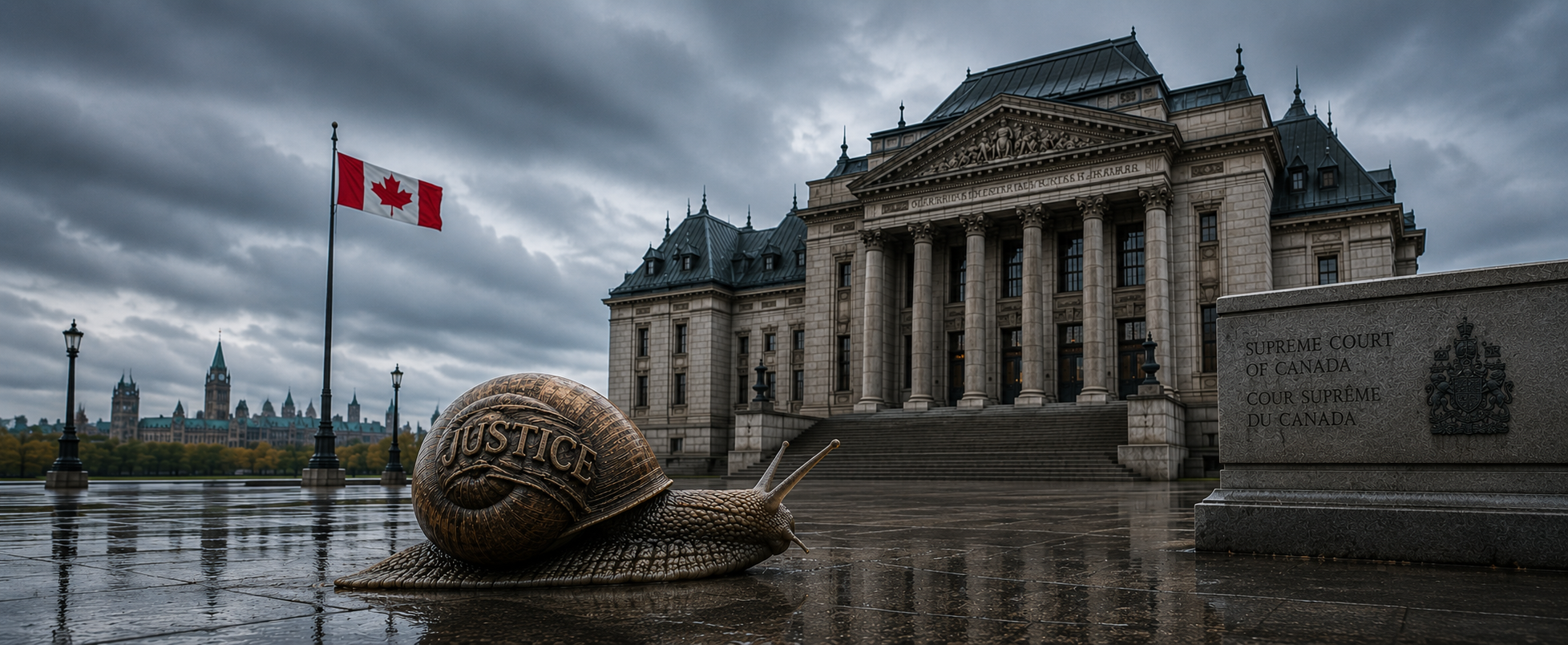
It's taken six years for justice to be served, or at least, a semblance of it. The question on everyone's mind is, what took so long? The answer, much like the events surrounding Shane Stanford's death, remains unclear. The Canadian justice system is often criticized for its slow pace, and this case is a prime example. The fact that it took nearly six years for a verdict to be reached raises concerns about the efficiency and effectiveness of the system.
The justice system in Canada is often touted as a beacon of fairness and equality, but cases like this one highlight the flaws in the system. Delays, complexities, and ambiguities can lead to frustration and a sense of incomplete justice for the families of victims. The system's inability to provide clear answers and timely resolutions can be attributed to a multitude of factors, including underfunding, outdated laws, and a lack of resources.
The pursuit of justice is often a long and arduous journey, but it's one that must be undertaken with urgency and diligence. Anything less is a disservice to the victims and their families.
The case of Shane Stanford's death serves as a stark reminder of the human cost of crime and the importance of seeking justice. However, it also highlights the shortcomings of the justice system in Canada. As the city of Toronto continues to grapple with issues of violence and justice, it's essential to examine the system's flaws and work towards creating a more efficient and effective justice system.
A Call for Reform
The justice system in Canada is in dire need of reform. The fact that it took six years for a verdict to be reached in this case is a clear indication that something is amiss. Reform is not just a suggestion, it's a necessity. The system must be overhauled to ensure that justice is served in a timely and efficient manner. Anything less is a failure to the victims, their families, and the community at large.A man has been found guilty of second-degree murder in the drive-by shooting death of Toronto YMCA fitness instructor nearly six years ago.
What's striking about this case isn't the verdict itself, but the lingering uncertainty surrounding the events that led to Shane Stanford's death. The fact that the perpetrator, Raheem McLaughlin, represented himself in court with the support of a court-appointed lawyer, raises questions about the complexities of the justice system and the challenges faced by those navigating it.
McLaughlin's claim that he was not the shooter, but rather the driver of the vehicle, highlights the difficulties in assigning culpability in cases where multiple individuals are involved. This ambiguity is likely to leave Stanford's family with a sense of incomplete justice, as they still don't know why he was killed. The lack of a clear motive or explanation for the shooting will undoubtedly prolong their grief and frustration.
The circumstances of the shooting, which occurred in a residential area of Toronto, also underscore the realities of urban violence. The fact that a person can be killed in a drive-by shooting, with no apparent connection to the perpetrator, is a sobering reminder of the risks and unpredictability of city life. It's a stark contrast to the perceived safety and community that an institution like the YMCA is supposed to represent.
Furthermore, the case raises important questions about the role of self-representation in the justice system. While McLaughlin's decision to represent himself may have been a strategic choice, it also underscores the need for greater support and resources for individuals navigating the complexities of the legal system. This is particularly true in cases where the stakes are high, and the consequences of a guilty verdict can be severe.
As the city of Toronto continues to grapple with issues of violence and justice, this case serves as a poignant reminder of the human cost of crime and the importance of seeking answers and accountability. The fact that Stanford's family will never know why he was killed is a tragic reminder of the limitations of the justice system and the need for continued efforts to prevent similar tragedies in the future.
The original piece ran at CBC News.