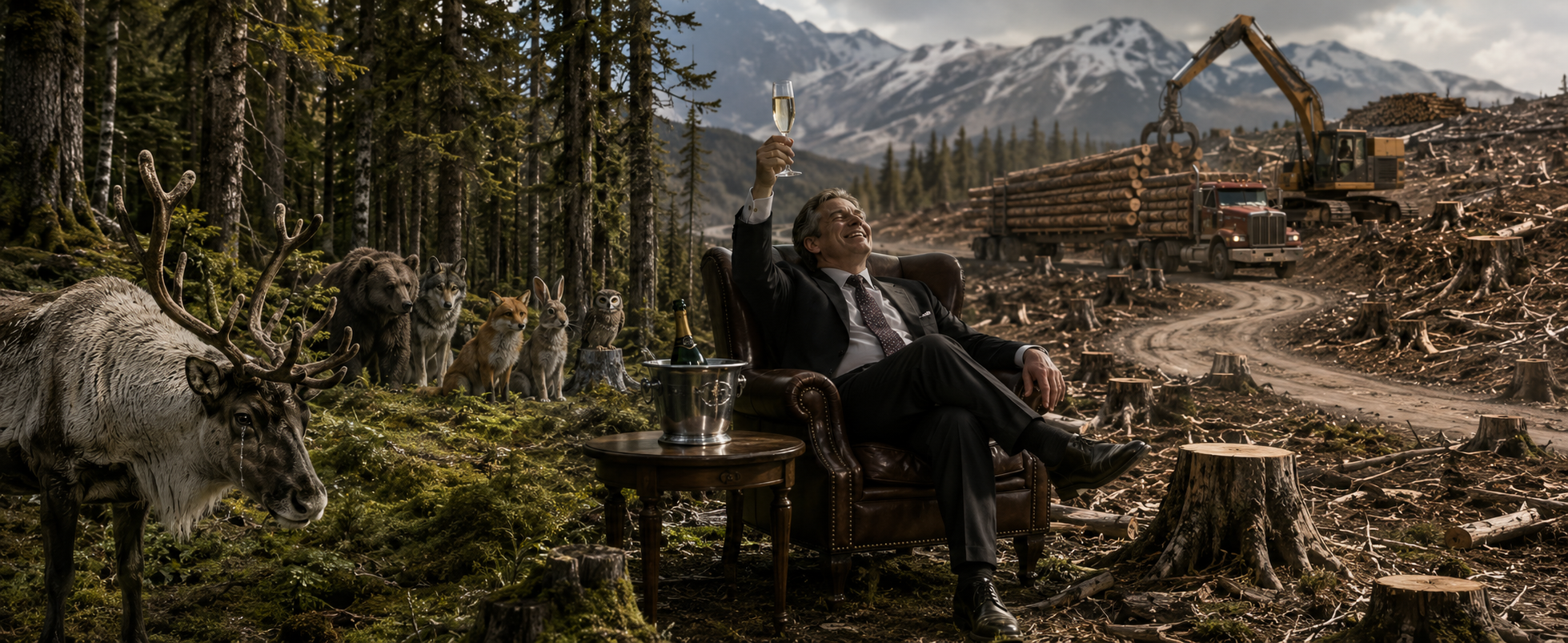
Mike James' concerns for the future of southern mountain caribou are rooted in a simple fact: their habitat is under threat from logging. The Ministry of Forests' decision to allow West Fraser Timber to log in the area, despite a recommendation against it from the Ministry of Water, Land and Resource Stewardship, raises questions about the provincial government's priorities.
The southern mountain caribou, also known as deep snow caribou, are adapted to feed on lichens in high-altitude old-growth forests, thanks to their snowshoe-like hoofs. But it's not just about the caribou – it's about the entire ecosystem that depends on these forests. As an umbrella species, the caribou's decline has a ripple effect on the entire ecosystem.
The clear-cuts, roads, and habitat fragmentation are a complex issue, but one thing is clear: the provincial government needs to consider the long-term consequences of logging, not just the short-term gains. The recommendation against logging was based on a thorough assessment of the potential impacts on the caribou habitat, and it's not just about saving the caribou – it's about preserving the integrity of the ecosystem.
The Bigger Picture
The fight to save the southern mountain caribou is not just about the animals themselves, but about the kind of world we want to live in. Do we want to prioritize short-term gains over the long-term health of our ecosystems? The caribou are a keystone species, and their loss would have far-reaching consequences for the entire ecosystem. It's time for the provincial government to take a more nuanced approach to land management, one that considers the potential impacts on the ecosystem as a whole.
Allowing logging in critical caribou habitat is a stark reminder that our priorities are misguided. We need to ask ourselves what kind of world we want to leave behind – one where ecosystems are intact, or one where they're fragmented and dying.
The answer to this question will determine the fate of the southern mountain caribou, and the health of our ecosystems. It's time to take a step back and consider the kind of world we want to live in – and to make decisions that prioritize the long-term health of our planet, rather than just the short-term gains.As I read about Mike James' concerns for the future of southern mountain caribou, I couldn't help but think about the broader implications of allowing logging in their habitat.
Mike James doesn't know yet whether his first grandchild will be a boy or girl, but he hopes they will have a chance to see threatened southern mountain caribou during a future visit to his family's cabin near Quesnel Lake. The snowshoe-like hoofs of southern mountain caribou, also called deep snow caribou, allow them to feed on lichens that grow in high-altitude parts of old-growth forest.
The fact that the Ministry of Forests allowed West Fraser Timber to log in the area despite a recommendation against it from the Ministry of Water, Land and Resource Stewardship raises questions about the priorities of the provincial government. It's not just about the caribou; it's about the entire ecosystem that depends on the old-growth forest. The caribou are an umbrella species, and their decline has a ripple effect on the entire ecosystem.
The clear-cuts, the roads, the fragmentation of habitat – it's a complex issue, and there are no easy solutions. But one thing is certain: the provincial government needs to take a more nuanced approach to land management. This means considering the long-term consequences of logging, not just the short-term gains.
The recommendation against logging was based on a thorough assessment of the potential impacts on the caribou habitat. It's not just a matter of saving the caribou; it's about preserving the integrity of the ecosystem. The caribou are a keystone species, and their loss would have far-reaching consequences for the entire ecosystem.
Do we want to prioritize short-term economic gains over long-term environmental sustainability? Or do we want to take a more holistic approach to land management, one that considers the needs of all species, including our own?
The decision to allow logging in the caribou habitat is a symptom of a larger problem – a lack of consideration for the environmental consequences of our actions. It's a reminder that we need to take a more proactive approach to conservation, one that prioritizes the needs of the ecosystem over the interests of individual companies or industries.
The original piece ran at CBC.